02/11/2023- Hello, Here's The Latest Sam D'Amico Photography Newsletter
Published: Fri, 02/10/23
Sam offers in-person and online photography instruction. Call him at 202-531-2344 to see how he can help you.
Hello
,
I hope you find this newsletter helpful. If you'd like me to write about something, send me an email and let me know.
sam@samdamico.com.
Best Regards,
Sam
Announcements
In-Person Group Classes
Because of COVID-19 haven't offered an in-person group class since 2020, and I think it's
time to start offering them again. I'll avoid conference rooms for now and hold the Getting To Know Your Cameraand Introduction To Photography classes in a large, enclosed, weather-protected courtyard. There are tables and chairs to use as well as a cafe.
Photo Editing Versus Photo Manipulation
Photo
Editing
Editing photographs is a selection process during our workflow. As photographers, I think we edit our photographs constantly, and our editing process
starts before we reach for our cameras. For example, because cameras are incorporated into our phones, we have the ability to make pictures constantly. But we don’t because we edit what we constantly see into things that would make an interesting photograph. In other words, we’re selective with what we photograph.
As soon as we pick up the camera, our editing happens regarding camera operation—framing and content, controlling tonality, focusing, and metering. There’s more to camera operation than I mentioned, but the point is camera operation involves editing.
And, of course, there’s the editing that happens after image production. Things like file conversions, film development, and during output/reproduction color correction, controlling tonality, cropping, enlarging, display, etc.
Photo Manipulation
Photo manipulation is a process that alters or transforms a photograph. Depending on the circumstances, photo manipulation is considered unethical, especially if the manipulation is intended to deceive.
We manipulate our photographs during the creation of the photograph by arranging things. For example, if we pose people during portraits or events or arrange objects in our photographs.
We can manipulate photographs during post-production. This usually involves manipulation with editing software or manipulation during the printing process.
Photo Editing Versus Photo Manipulation
While editing seems to be a base process related to what we go through continuously during our process as a photographer, photo manipulation, on the other hand, seems to be something
additional we can ethically or unethically incorporate into the creation of a photograph.
Whether you're a beginner or a more advanced photographer, I can work
with you in-person or online on a one-on-one basis. This format allows me to help you improve your photography with custom-tailored instruction. You can use anything from a DSLR to the camera on your phone. Bring whatever you have in equipment and skill level, and I'll help you make more thoughtfully composed photographs. Please be fully vaccinated if we meet in person and follow all CDC and local guidelines.
In-Person Group Classes
All in-person group classes are limited to five participants.
---Getting To Know Your Camera This class will familiarize you with your camera's most critical functions. We'll cover exposure modes, focusing modes, and metering modes. This class aims to get you working on your camera in aperture and shutter priority modes. Working your camera in this manner will get you
working more thoughtfully and creating intentional compositions. This class is also a prerequisite to the online Introduction To Photography group class.
---Introduction To Photography During the Introduction To Photography Course In DC, you’ll work with your camera in manual exposure mode throughout the class, and you’ll begin to understand the relationship between camera operation., light, and composition DC.
As a result, you’ll become thoroughly familiar with essential camera operation and learn to control your photographs’ composition fully.
Recorded, Learn at Your
Own Pace Classes/Webinars Available on Sam's Online Learning Platform for Photographers
This class will familiarize you with your camera's most critical functions. We'll cover exposure modes, focusing modes, and metering modes. This
class aims to get you working on your camera in aperture and shutter priority modes. Working your camera in this manner will get you working more thoughtfully and creating intentional compositions. This class is also a prerequisite to the online Introduction To Photography group class.
While all my instruction involves teaching camera operation and thought process, this introductory class teaches thought process and camera operation by using the camera on your phone. However, I wouldn't consider this a "phone photography class" because this is a composition class that teaches a thought/compositional process that can be carried over into any camera.
When you study and practice photography with me via my online learning platform, you'll not only have access to the classes and webinars available there (see directly above), but you'll also get to ask me questions and get answers. You'll also get monthly assignments
to keep you thinking about photography and a live online monthly meeting. This is an excellent standalone way to learn about photography or can be used as a supplement to the other methods of working with me. The monthly fee is $25.00, and you can start and stop whenever you'd like.
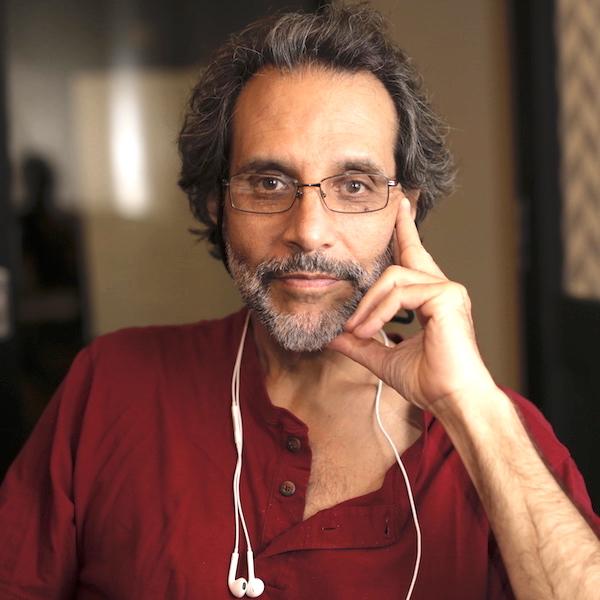
Sam D'Amico, a professional photographer and photography instructor, helps anyone who wants to be a better photographer. He'll work with his students to increase their understanding of camera operation, light, and lighting.
Sam started working as a professional photographer in the mid-1980s and began teaching photography professionally in 1999. His photographs were awarded in shows, and his photography classes were voted the "Best of DC" by the readers of the Washington City Paper.
Many photography teachers spend a lot of time teaching about DSLRs and rules of composition that create homogenized, rigid photographs.
On the other hand, Sam teaches about camera operation, thought process, and the individual photographer's visual communication intent. This approach to teaching allows his students to use ANY camera (yes, even the camera on their phone) and break free of the rules of composition. Approaching the creative process this way allows
for fluid and spontaneous photographs unique to the photographer creating them.
Sam encourages his students to find their own ways as photographers. He instills the skills in his students that result in creative, engaging, and unique compositions that reflect the photographer's intended one-of-a-kind visual expression.